Open Today Sales: 8:30 AM-9 PM



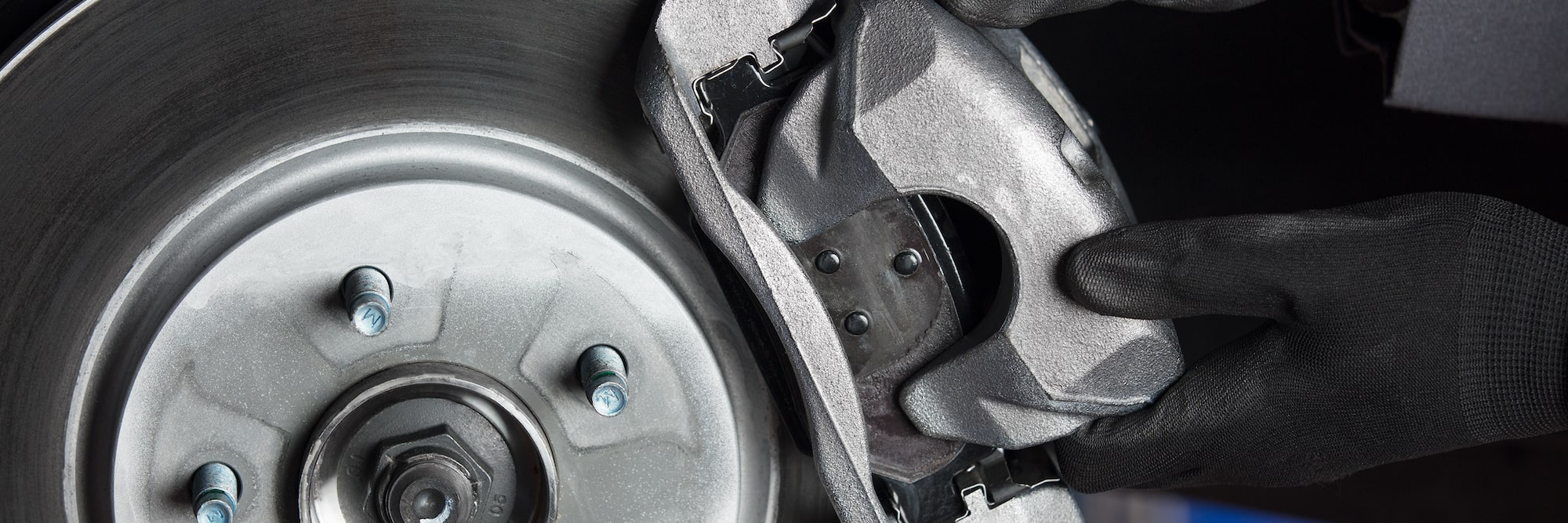
Pads, rotors, fluid and warning lights, handled by GM-trained technicians at 350 Automall Dr. We measure what is left and give you the number, so you decide with facts rather than adjectives.
It depends on how and where you drive. Brake systems are designed to deliver roughly 40,000 to 60,000 miles of pad life in average use. In very severe use, such as heavy city traffic, expect closer to 20,000 to 25,000.
Frequent heavy braking, high-speed or mountain driving, carrying a loaded vehicle and dusty conditions all shorten it. Have the brakes inspected at least every 7,500 miles, which lines up with your oil change and tire rotation.
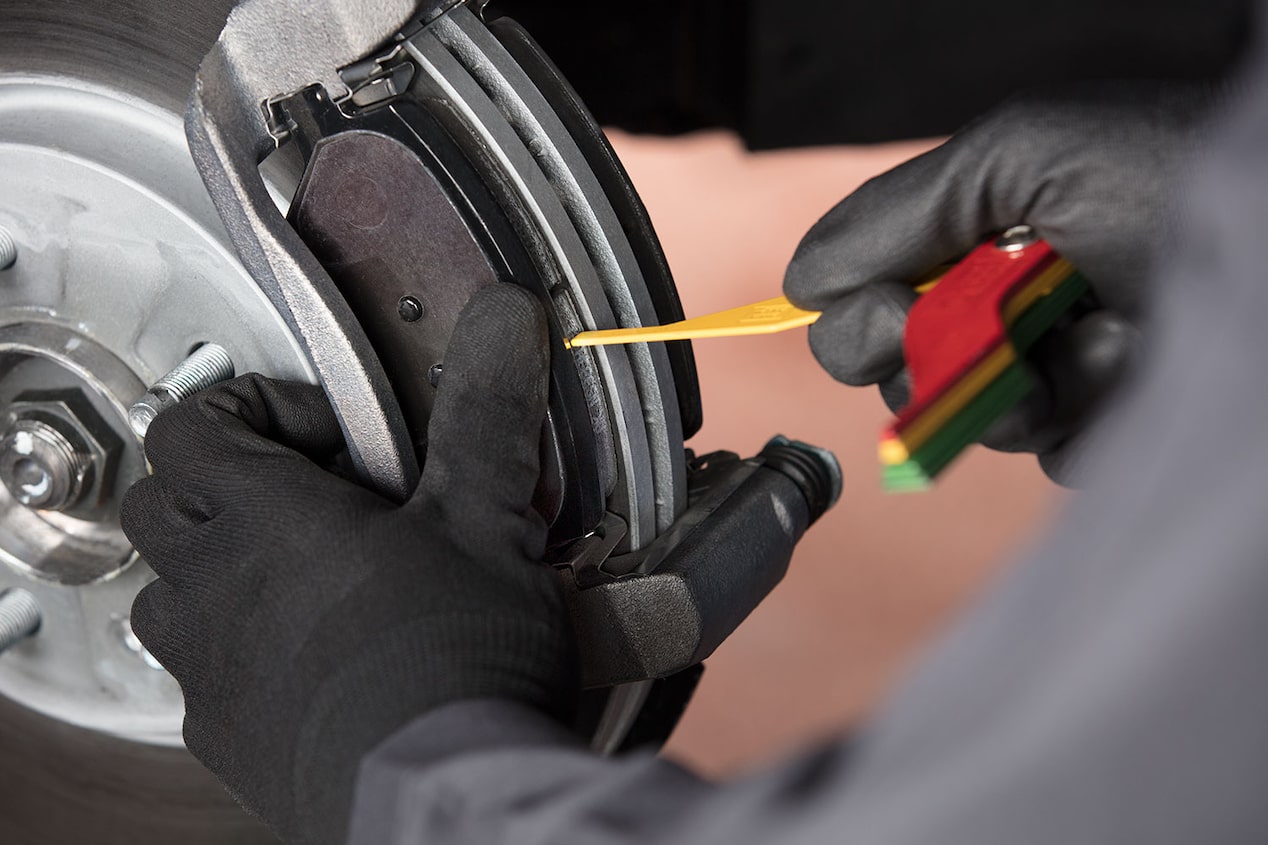
Brake work should not come down to opinion. These are the measurements your advisor is working from.
Sometimes the vehicle tells you before an inspection does. If you notice any of these, do not wait for the next interval.
Usually the wear indicator doing its job. It is designed to make noise at roughly 2 mm of pad left, with or without the pedal applied.
Metal on metal. At this point the pad material is gone and the rotor is being damaged, which turns a pad job into a larger one.
Caused by thickness variation in the rotor, not by warping. You may also feel it as a shake through the steering wheel when braking.
More travel before the brakes bite can point to fluid condition, air in the system or wear. Worth a look sooner rather than later.
It can mean low fluid, a parking brake left engaged, or a fault in the system. Do not assume which — have it read.
If the vehicle takes noticeably more room to stop than it used to, treat it as urgent rather than as something to monitor.
Not automatically — and that is worth knowing before anyone quotes you.
Weight, drivetrain and how a vehicle is used matter more to brake life than the badge on the tailgate. Here is roughly what to expect across the lineup.
| Model | What Makes Its Brakes Different | What That Means For Pad Life |
|---|---|---|
| Silverado 1500 | A heavy vehicle before anything is added, and often towing or carrying a load. | Toward the shorter end of the range if you tow. Descending a grade with a trailer is what actually finishes a set. |
| Silverado HD | Heavier still, with larger brakes to match and often an integrated trailer brake controller. | Work-truck duty. Have them measured at every service rather than waiting for a noise. |
| Tahoe & Suburban | Full-size SUV weight, frequently loaded with passengers and gear. | Shorter than a comparable car. Highway miles are kinder than school runs and stop-and-go. |
| Traverse & Blazer | Mid-size crossovers with moderate weight and mostly street use. | Usually the middle of the range, and predictable if the vehicle is rotated and inspected on schedule. |
| Trax, Trailblazer & Equinox | The lightest vehicles in the lineup, mostly commuting and errands. | Often the longest pad life — but short trips and heavy traffic can undo that quickly. |
| Bolt, Equinox EV, Blazer EV & Silverado EV | Regenerative braking does much of the slowing, so the friction brakes are used far less. | Pads can last dramatically longer. The issue becomes corrosion and seizing from underuse, so inspection matters more than mileage. |
These are general expectations, not specifications. Pad and rotor sizes, wear thresholds and rotor discard thicknesses vary by model year, trim and brake package — we confirm yours by VIN and measure against the figure for your exact vehicle. Call the parts counter at (916) 367-4192 if you are doing the work yourself.
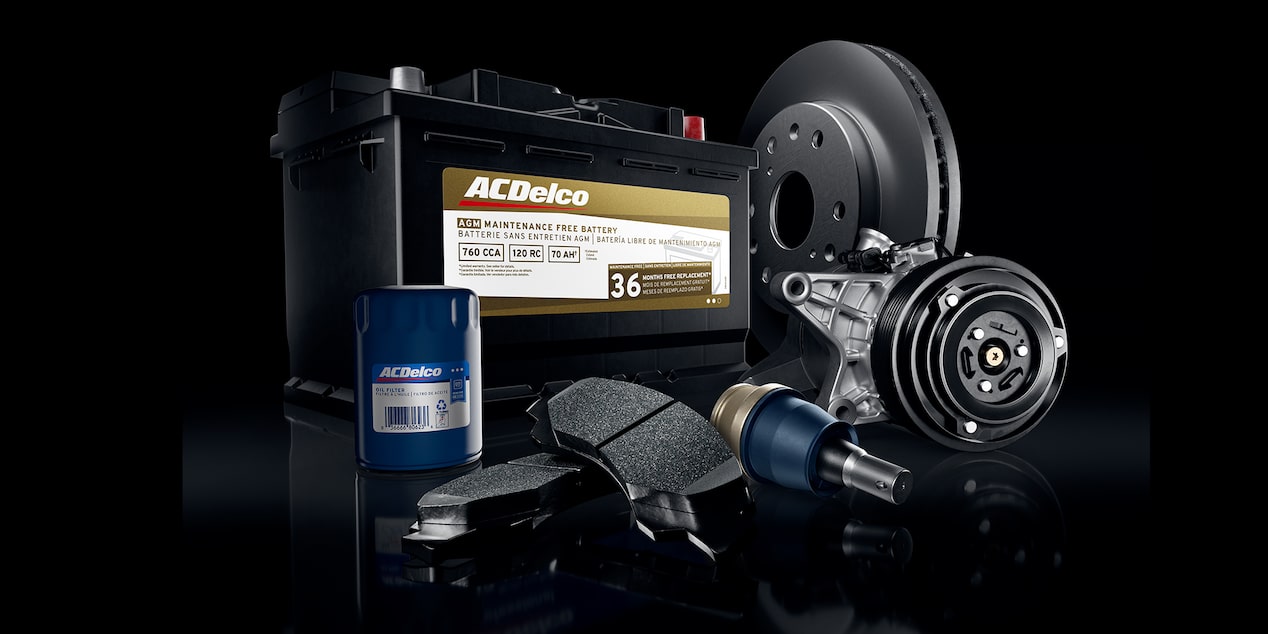
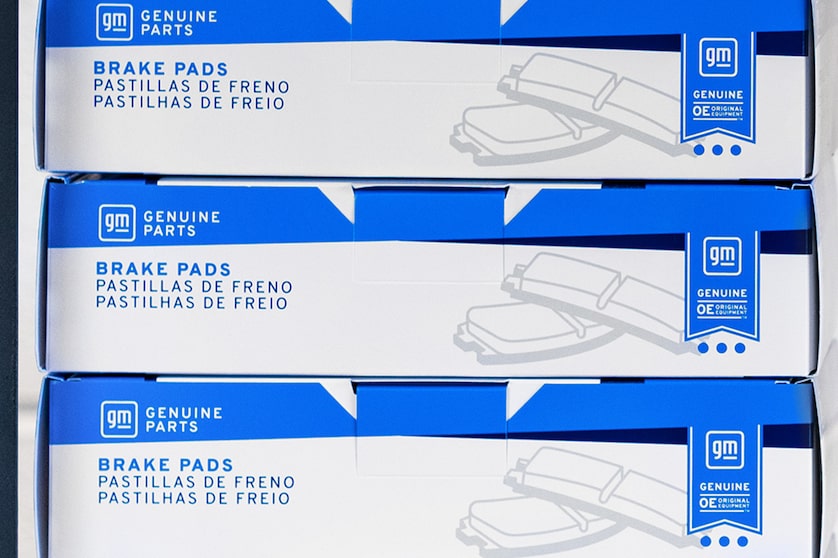
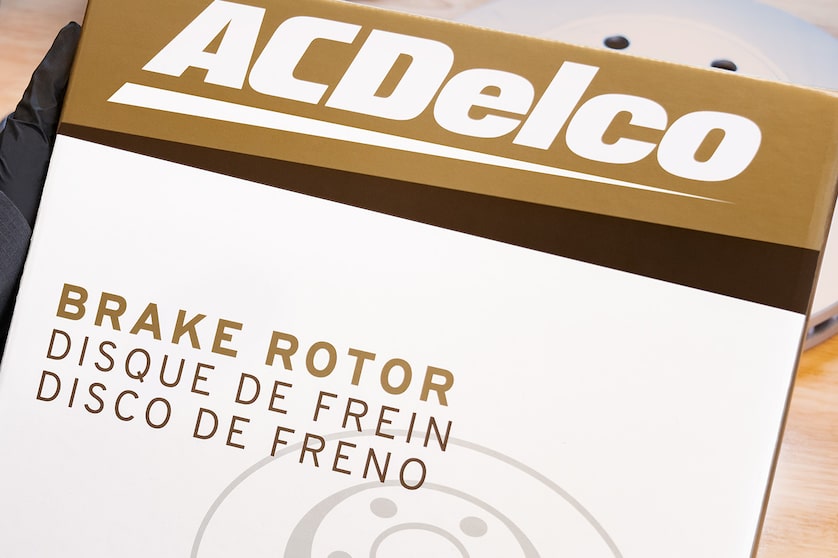
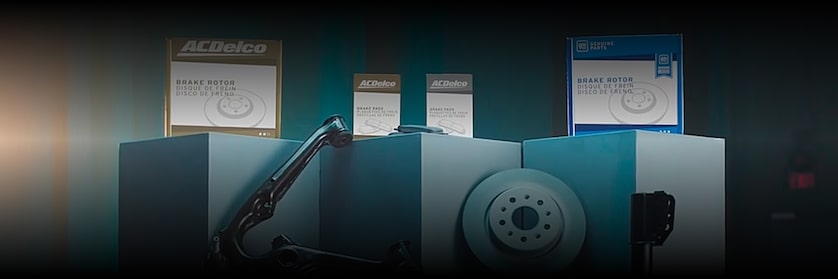
Pads, rotors, shims and hardware are developed together, and factory-original performance can only be assured when original equipment pads and rotors are used. A good deal of engineering goes into eliminating squeal from that combination.
Order the same GM Genuine and ACDelco brake parts our technicians install, looked up by your vehicle so the fit is right the first time.
Not sure which part fits? Call the parts counter at (916) 367-4192 with your VIN and we will pull the right one, or browse the full parts store.
GM Rewards points are worth a cent each and come straight off a larger repair like pads and rotors — and most owners have some without knowing it. Call and we will check your balance for you.
Brake systems are designed to give roughly 40,000 to 60,000 miles of pad life in average use, and about 20,000 to 25,000 in very severe use such as heavy city traffic. Frequent hard braking, mountain driving, carrying a heavy load and dusty conditions all shorten it.
Brake pads have wear indicators that chirp when the pads are nearly worn out, set to make noise at around 2 mm of friction material remaining. When you hear it, the pads should be replaced as soon as possible. On inspection, pads are replaced at or before 2 mm.
No. If there is no pedal pulsation or steering wheel vibration when braking, and the rotor is at least 1 mm thicker than its discard thickness, it does not need to be turned or replaced. Rotors carry a minimum thickness cast into them and should never be machined below it.
Thickness variation in the rotor. As a thicker section passes through the caliper it pushes back against the brake fluid, which you feel at the pedal and sometimes as a shake in the steering wheel. It is not caused by the rotor warping. Turning or replacing the rotor removes the variation.
Brake squeal is high-frequency vibration between the rotor, caliper and pads. Brake components are engineered as a complete system, so it can point to wear or damage on the pads, the noise-damping shim bonded to the pad, or the rotor surface. High-performance pad materials are more prone to it even when nothing is wrong.
Some dust is normal, but pads with higher metal content are more abrasive against the rotor, which creates noticeably more of it and shortens rotor life. Most GM vehicles in North America use non-asbestos organic pads that develop a protective transfer film instead.
It can. A heavier vehicle carries more momentum, so towing, hauling and descending grades all put more work through the brakes than the same mileage in a lighter car. Silverado HD is heavier again. If you tow regularly, treat pad life as being at the shorter end of the range and have them measured at every service.
Usually much longer. Regenerative braking slows the vehicle using the motor, so the friction brakes do far less of the work. The trade-off is that brakes used lightly can corrode or seize, so EV brakes need inspecting on schedule even though the pads look barely worn.
At least every 7,500 miles, which is the same interval as a tire rotation, so it can be done during a visit you were already making. Come in sooner if you hear noise or feel a change at the pedal.
Yes. Pad and rotor thickness come back as numbers rather than descriptions, so you can see how much life is left and plan the work instead of being told one day that it is urgent.
Roseville Chevrolet performs Chevrolet brake repair and inspection for drivers throughout Roseville, Rocklin, Granite Bay, Citrus Heights, Lincoln, Loomis, Antelope and Orangevale from 350 Automall Dr, using GM Genuine and ACDelco pads and rotors fitted by GM-trained technicians.
A daily commute on I-80 is mostly stop-and-go, which is harder on brakes than the mileage suggests, and a loaded vehicle coming back down from the hill works them harder still. If something has changed at the pedal, call and describe it — we can usually tell you over the phone whether it needs looking at today. Current pricing is on our service specials page.

Book a brake inspection, or call and tell an advisor what you are hearing.
(916) 905-4889Roseville Chevrolet · 350 Automall Dr, Roseville, CA 95661 · Service: (916) 905-4889 · Parts: (916) 367-4192. Serving Roseville, Rocklin, Granite Bay, Citrus Heights, Lincoln, Loomis, Antelope, Orangevale and the greater Sacramento area. Pad life figures and inspection intervals are general guidance only; actual wear varies by vehicle, driving style, load and operating environment. Replacement thresholds and rotor discard thicknesses vary by model and are determined by measurement against the specification for your vehicle. Refer to your owner’s manual or ask a service advisor for the schedule and specifications specific to your Chevrolet. Service specials and manufacturer rebates are subject to change and expiration; see the specials page or your service advisor for current offers, terms and exclusions. GM Rewards is operated and administered by General Motors; point values and eligibility are set by GM and subject to change. Not all services available for all models.