Open Today Sales: 8:30 AM-9 PM




Certified technicians. Factory tools. Genuine GM parts. Everything an independent shop can’t do — right here in Roseville.
Our technicians are certified on Chevrolet’s high-voltage architecture — from the original Bolt through the Ultium-based Silverado EV and the BrightDrop commercial van.
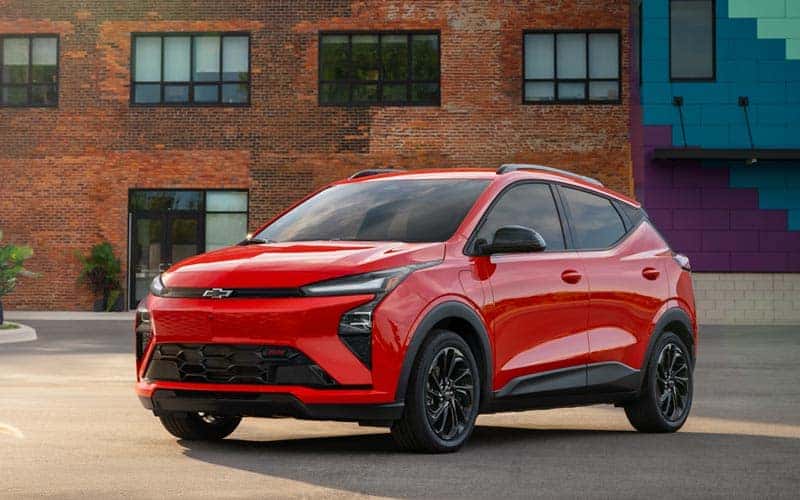
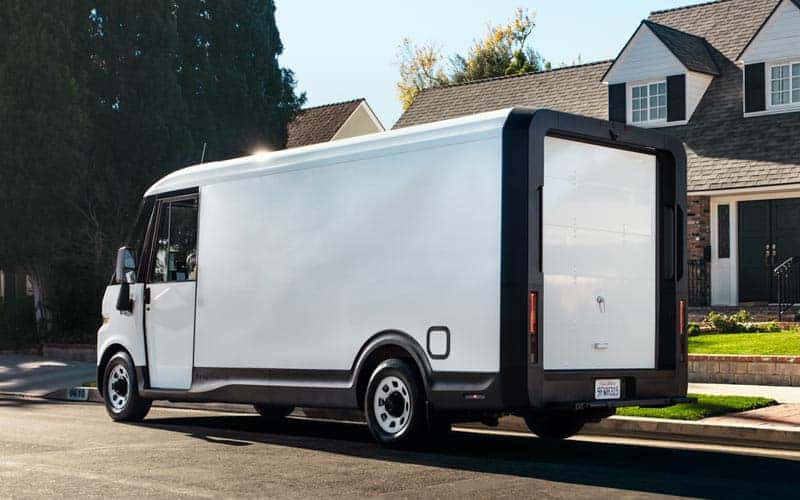
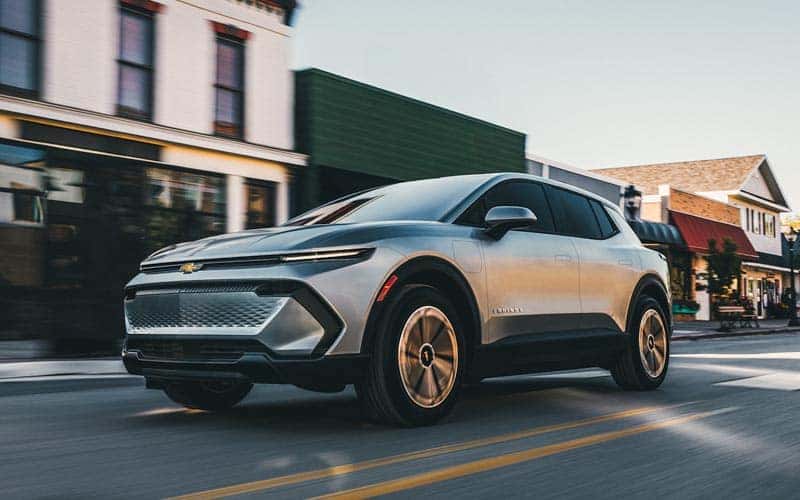
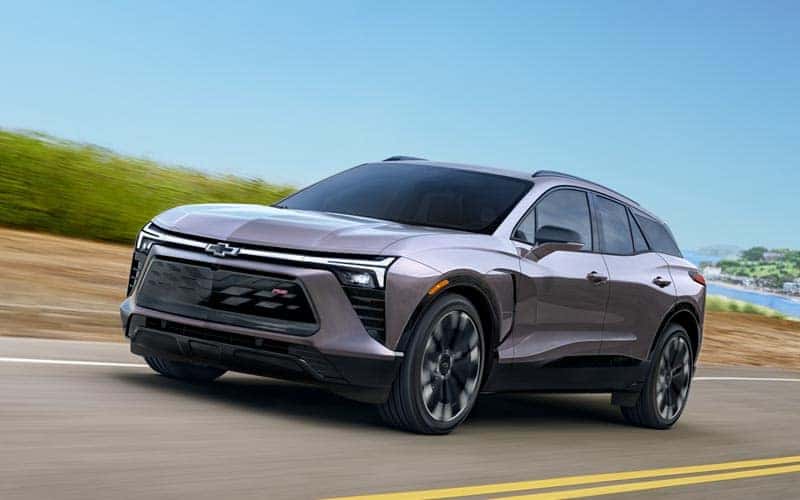
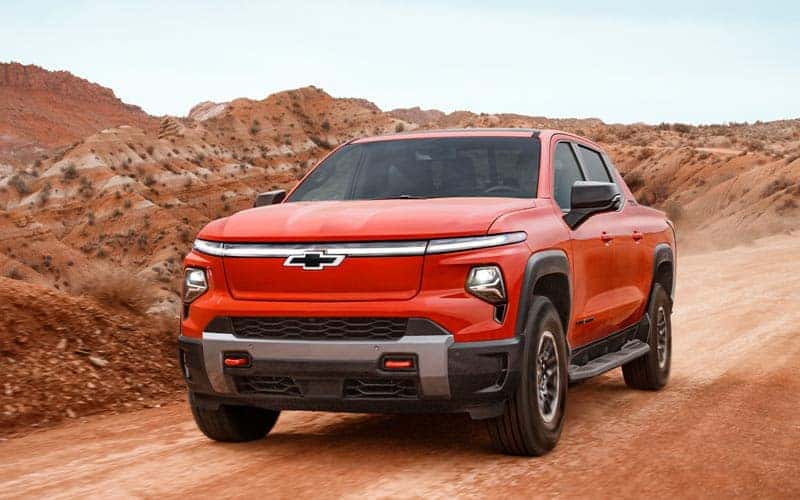
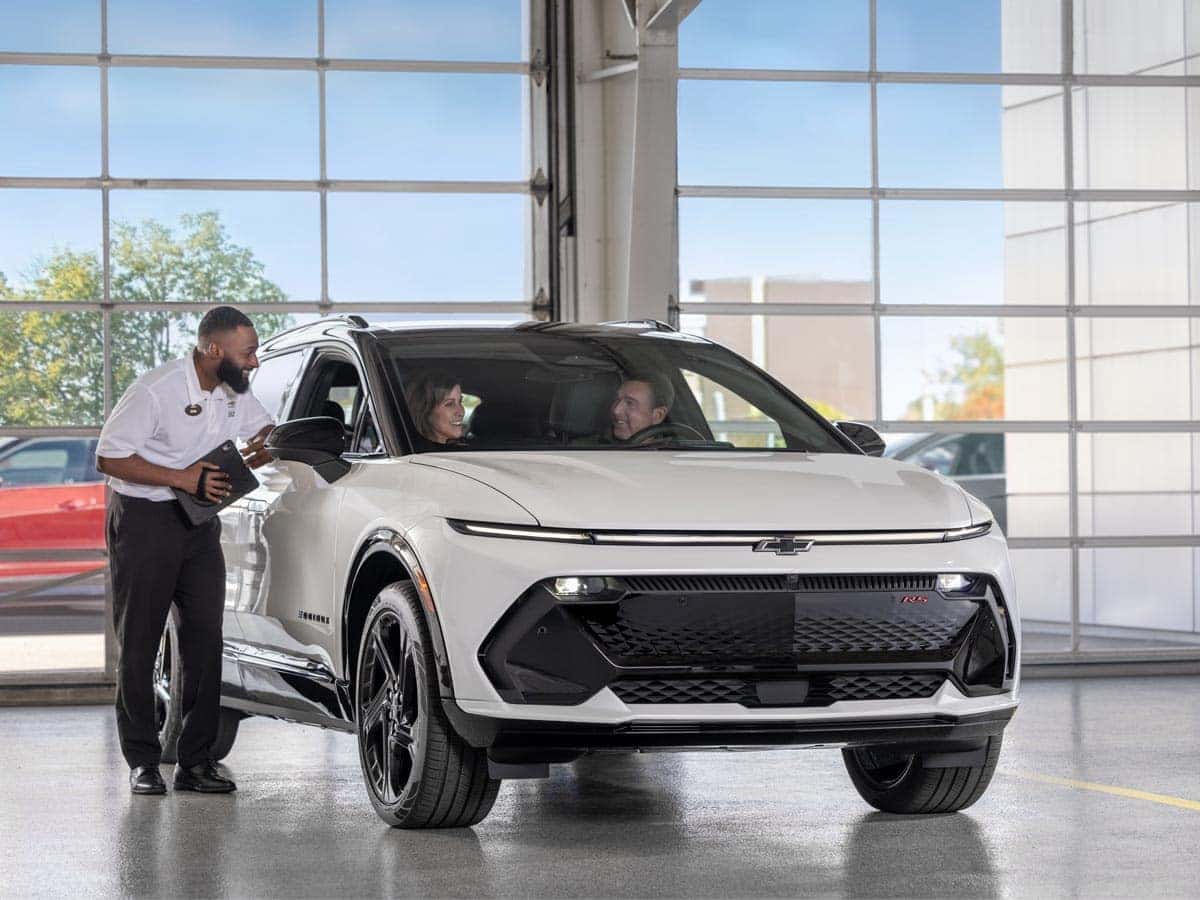
A Chevy EV runs at roughly 400 volts. Working on it takes high-voltage certification, insulated tooling and factory scan equipment that isn’t sold to the aftermarket. That’s why most independents hand EVs back.
EVs need less maintenance than gas vehicles. What they do need is more specialized.
State-of-health diagnostics, module testing, thermal system service and propulsion battery warranty repairs.
Onboard charger, charge port, AC and DC fast-charge issues, and home-charging performance concerns.
Electric drive motor diagnosis, reduction gear fluid service, and drivetrain noise or vibration concerns.
Instant torque and battery weight chew through EV tires. Rotation and alignment protect range, not just tread. See tires.
Regen braking means pads last longer — but fluid still absorbs moisture and rotors still corrode from light use. See brake repair.
Dealer-level programming for propulsion, charging and infotainment modules that can’t deploy over the air.
Every Chevy EV still runs a 12-volt battery. It fails like any other — and takes the whole vehicle down with it. See battery service.
Cabin heating and cooling pull straight from the battery. A weak system costs you range on every trip. See A/C service.
Open recalls and battery warranty claims must be done by an authorized dealer. We handle both, no charge on recalls.
Electric vehicles drop most of the traditional maintenance list. These are the items that take its place.
The maintenance schedule lays it out by mileage, including an EV band. Or call (916) 905-4889 and an advisor will tell you what your model needs.
This isn’t brand loyalty — it’s a practical limitation. A Chevrolet EV runs a propulsion system operating at roughly 400 volts. Working on it safely requires high-voltage certification, insulated tooling and a service bay set up for battery isolation. Most independent repair shops are neither trained nor equipped for it, which is why many decline EV work outright or hand back anything past tires and wipers.
The diagnostic side is just as restricted. Chevrolet’s propulsion, charging and battery-management modules communicate through factory scan tooling that isn’t sold to the aftermarket. A generic OBD-II reader can show you a code; it can’t interrogate individual battery modules, run a state-of-health assessment, or reflash a control module. When an EV concern is intermittent — a charging fault that only appears on DC fast charge, or a range drop with no warning light — that depth of access is the difference between a fix and a guess.
And if your repair falls under the 8-year / 100,000-mile propulsion battery warranty, the work has to be performed by an authorized Chevrolet dealer for the coverage to apply. Taking it elsewhere doesn’t just risk the repair quality — it can cost you the claim entirely.
Electric vehicles are genuinely cheaper to maintain than gas vehicles, but the savings aren’t evenly distributed. You’ll never buy oil, spark plugs, timing belts or transmission fluid again. You will, however, replace tires more often than you did before — battery weight and instant torque see to that — and you’ll want the alignment checked more regularly, because a car this heavy punishes worn suspension components faster.
Sacramento-area summer heat adds one more consideration. Battery thermal management works considerably harder here than it would in a mild coastal climate, and a cooling system that’s low or degraded shows up first as slower DC fast charging, long before any warning light appears. If your charge times have crept up, that’s worth a conversation.
Yes — just less of it. There’s no oil, no spark plugs and no transmission fluid, but tires, brake fluid, cabin filters, battery coolant and suspension components all still need attention. Following the maintenance schedule also keeps your propulsion battery warranty intact.
Not most of them. High-voltage systems require certified technicians, insulated tooling and factory diagnostic equipment that isn’t sold to independent shops. Many will handle tires or wipers and decline anything involving the propulsion system.
Chevrolet covers the propulsion battery for 8 years or 100,000 miles, whichever comes first, against defects and against capacity falling below a defined threshold. Normal gradual range loss isn’t covered, and warranty repairs must be performed by an authorized Chevrolet dealer.
Battery packs add serious weight, and electric motors deliver full torque the instant you press the pedal. Both accelerate tread wear. Rotating on schedule and keeping alignment in spec is the difference between a set lasting 30,000 miles and 45,000.
They do. Regen means the friction brakes get used far less, so pads and rotors last much longer. But brake fluid absorbs moisture regardless of use, and rotors can surface-corrode precisely because they’re used so lightly. Both still need periodic attention.
Usually it’s the 12-volt accessory battery, not the propulsion pack. Every Chevrolet EV uses a conventional 12-volt battery to power electronics and wake the high-voltage system. When it fails, the vehicle behaves as though it’s completely dead. See battery service for what we check.
Yes. As an authorized Chevrolet dealer we can look up open recalls by VIN and perform the repairs at no charge to you. Call our service department and we’ll check your vehicle’s status while you’re on the phone.
Yes. We service any Chevrolet EV regardless of where it was purchased, including warranty and recall work.
Certified Service and GM Genuine parts earn GM Rewards points, and points come straight off the bill. Most owners have a balance without knowing it — call and we will check yours.
Roseville Chevrolet provides certified electric vehicle service to drivers throughout Roseville, Rocklin, Lincoln, Granite Bay, Loomis, Citrus Heights, Folsom, Auburn and the greater Placer County and Sacramento area. Our Certified Service department is staffed by GM-trained technicians with EV certification, equipped with factory diagnostic tooling, and stocked with genuine GM parts and battery components.
Whether you drive a Bolt EV, Equinox EV, Blazer EV or Silverado EV, or run BrightDrop vans in a commercial fleet — and whether you bought here or somewhere else — we handle everything from a tire rotation to high-voltage battery diagnostics, charging system repair, recall work and propulsion battery warranty claims. We’re at 350 Automall Dr in Roseville, just off the Automall exit, and our service advisors can usually tell you over the phone whether a concern needs a diagnostic appointment or a quick look.
Running EVs as part of a business? Our fleet and commercial department handles BrightDrop and mixed fleets. For everything else, see the service center, service hours or the parts department.

Roseville Chevrolet · 350 Automall Dr, Roseville, CA 95661 · Service: (916) 905-4889. Serving Roseville, Rocklin, Lincoln, Granite Bay, Loomis, Citrus Heights, Folsom, Auburn and greater Placer County. Chevrolet propulsion battery limited warranty is 8 years or 100,000 miles, whichever comes first; see dealer for complete terms, conditions and exclusions. Maintenance intervals shown are general guidance — refer to your owner’s manual for the schedule specific to your model and year. Recall repairs performed at no charge on vehicles with open recalls. Not all services available for all models. GM Rewards is operated and administered by General Motors; point values and eligibility are set by GM and subject to change.